Based on findings from Mapping Legacy Oil Wells: How Parcel-Level Intelligence Reveals Hidden Opportunities, authored by Richard W. White, Research & Development, Environmental Due Diligence, LightBox.
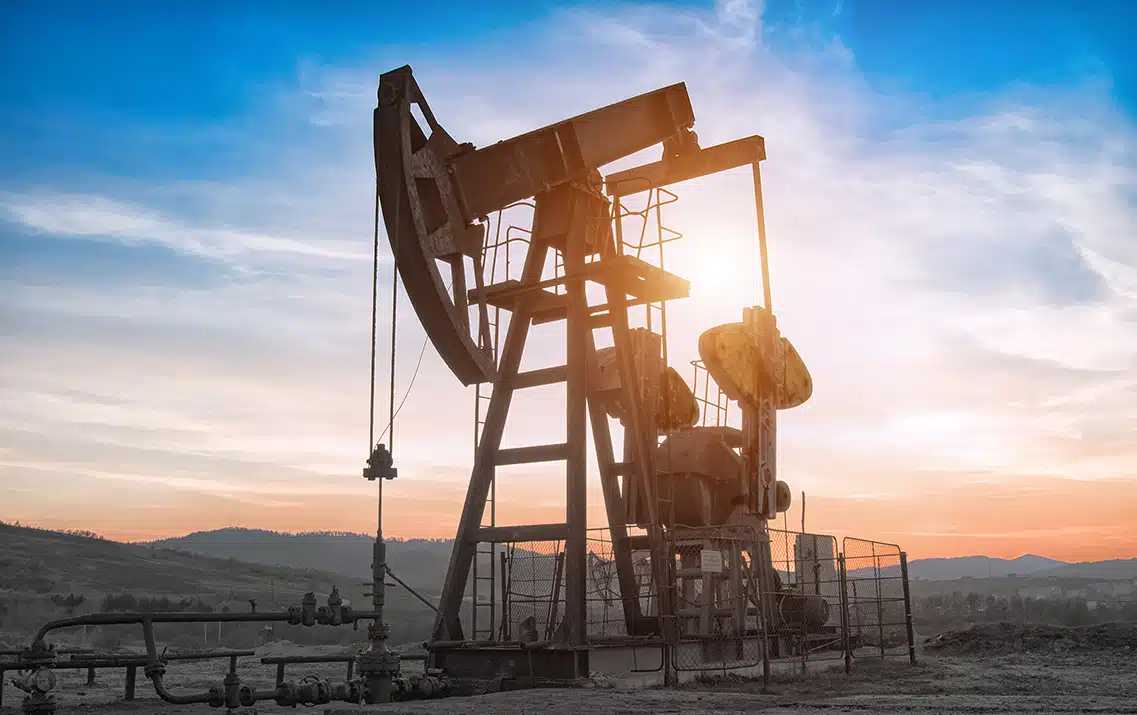
Southern California’s infill development challenges are often framed as zoning or entitlement problems, but a more fundamental constraint lies underground. Beneath many parcels now targeted for housing, mixed-use projects, or community redevelopment sit thousands of legacy oil wells—often undocumented, inconsistently mapped, or poorly understood. The issue is no longer whether these wells exist, but how their exact locations, conditions, and histories intersect with today’s site selection and planning decisions.
What has been missing from this conversation is a data-driven view of how these legacy systems align with today’s parcel grid. As LightBox reviewed the discussion sparked by Nick Trombola’s reporting in Commercial Observer, one question became unavoidable:
“What does redevelopment potential actually look like when you analyze these constraints parcel by parcel?”
To answer that, we conducted a geospatial and historical analysis of Signal Hill in the Long Beach Oil Field — one of the most complex legacy-well environments in the state. Using Smart Fabric parcels with structures and zoning, CalGEM well records, environmental datasets, and 20th-century Sanborn maps and City Directories, the team produced a layered picture of risk, feasibility, and overlooked opportunity.
Signal Hill is just one illustration of how deeply the past continues to shape Southern California’s development future. When modern parcel intelligence is paired with historical and environmental context, familiar terrain becomes newly legible, and redevelopment decisions become far more grounded in reality.
